Summer Van Houten
2025/26
9-Month Research RESIDENT
Analog Photo-Based Artist from Ojai
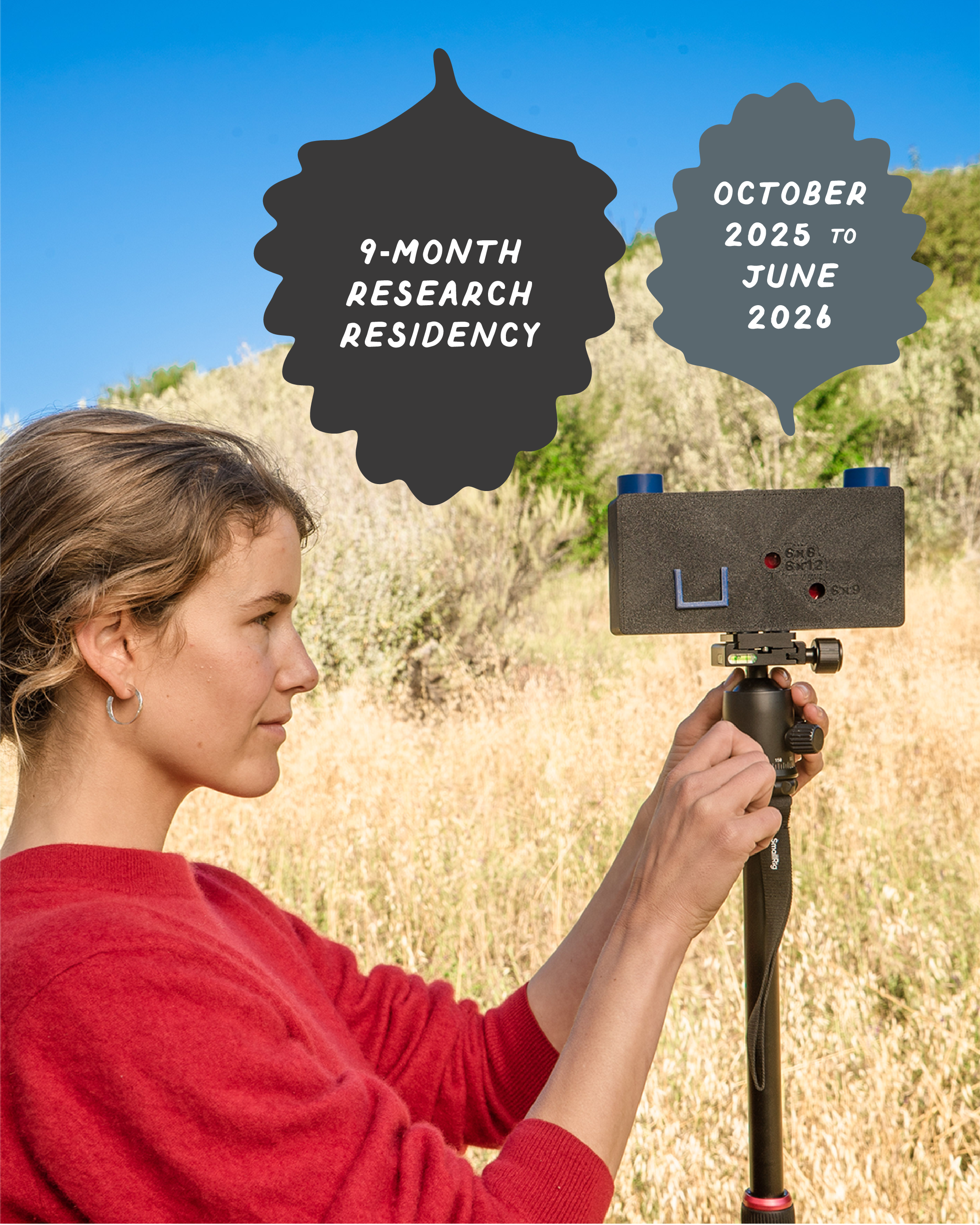
Photo by Mikael Jorgensen
During her 9 Month Research Residency, Summer van Houten explored how to build a more empathetic photographic practice.
Working within the Nature Preserve, she tested native botanical ingredients to observe how they could replace hazardous chemicals typically used in the processing of analog photography. This experimentation to determine the properties of specific specimens was supported by Taft nature guides Lanny Kauffer and Elena Rios.
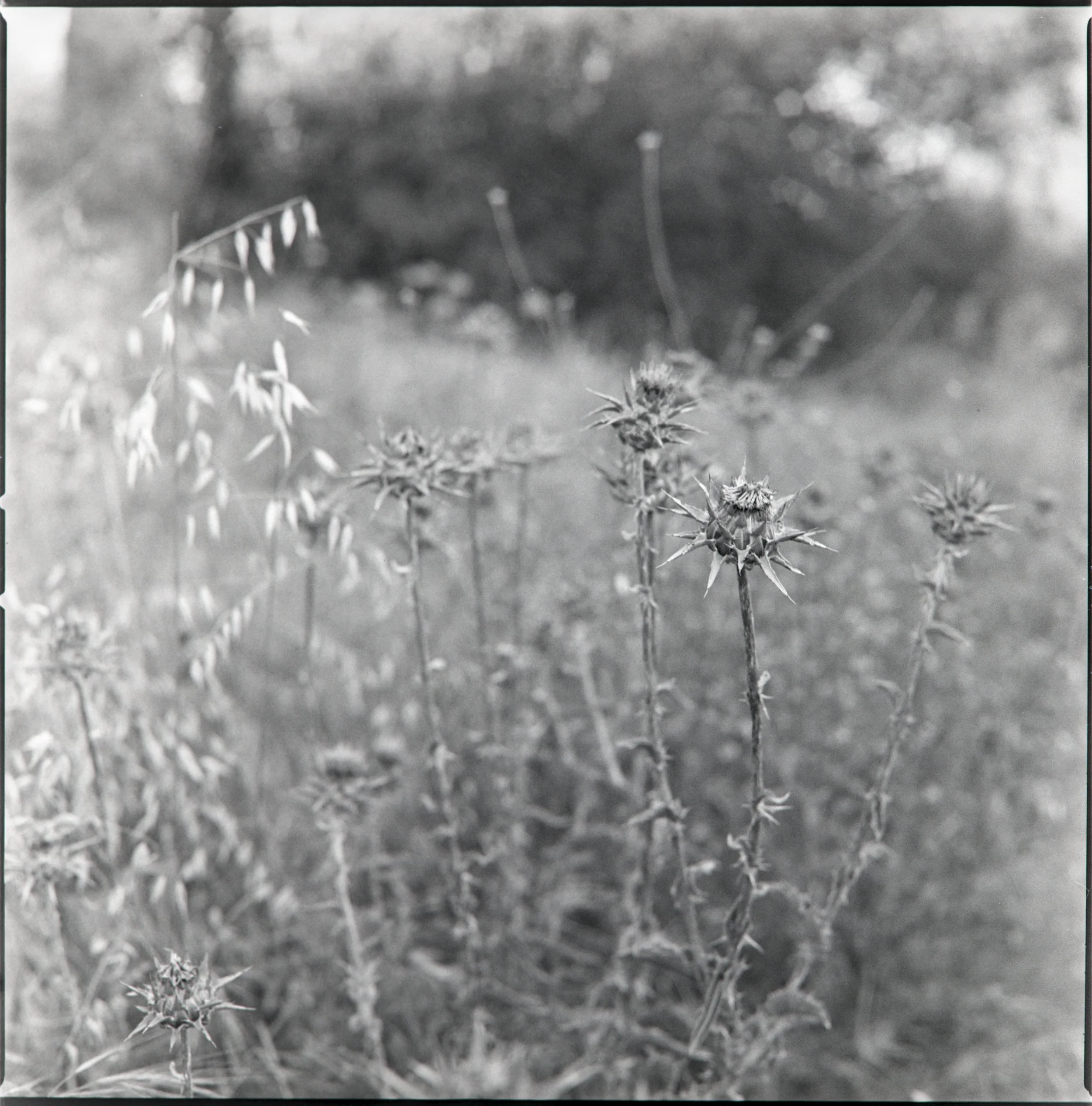
Summer spent considerable time observing, learning, and capturing images on 35mm and 120mm film.
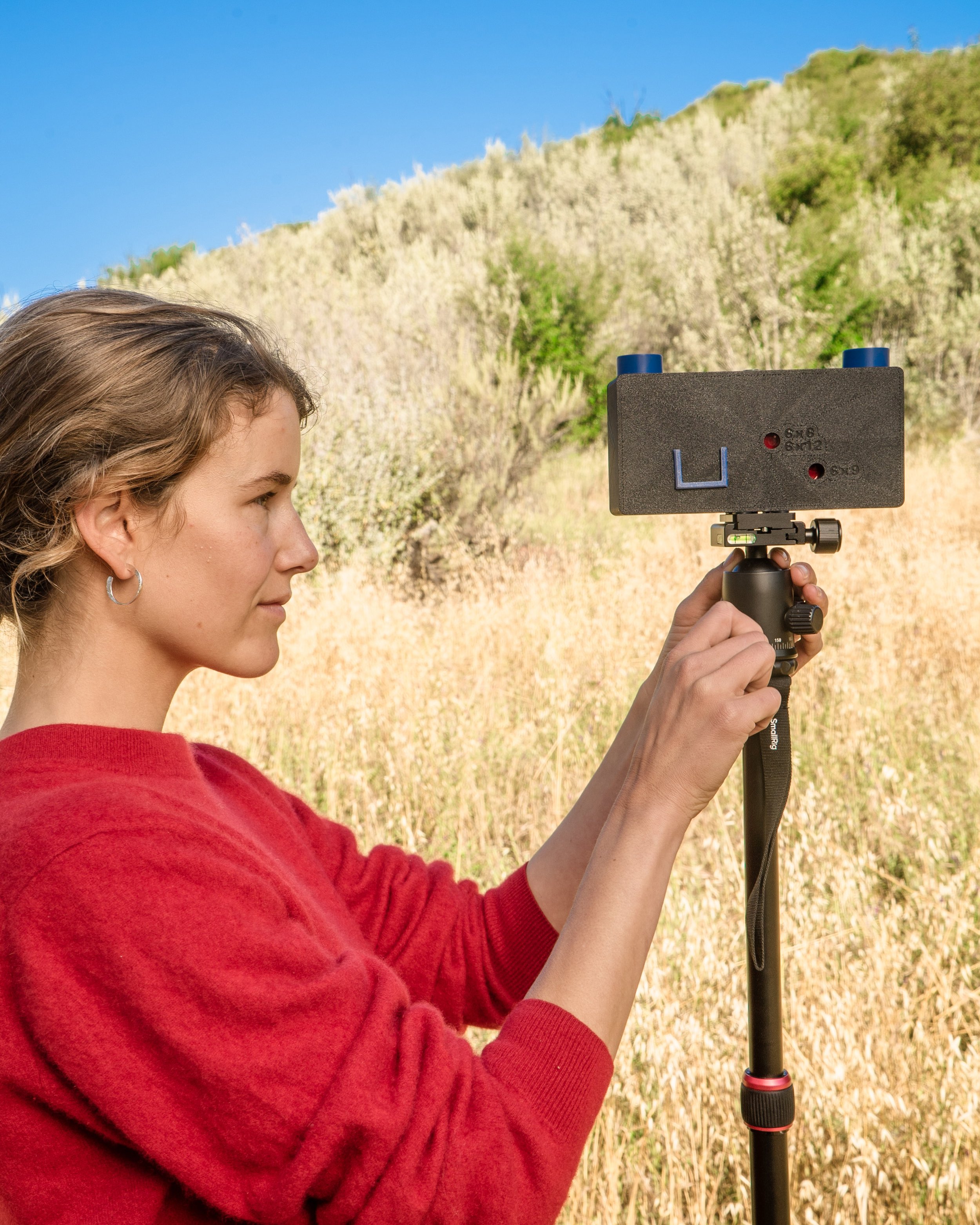
She primarily used a MIA pinhole camera, a tool that allows for an infinite depth of field, resulting in dreamy, soft-focus, surreal photographs. This is an accessible approach that demonstrates that compelling imagery can be created by anyone with minimal technical expertise.
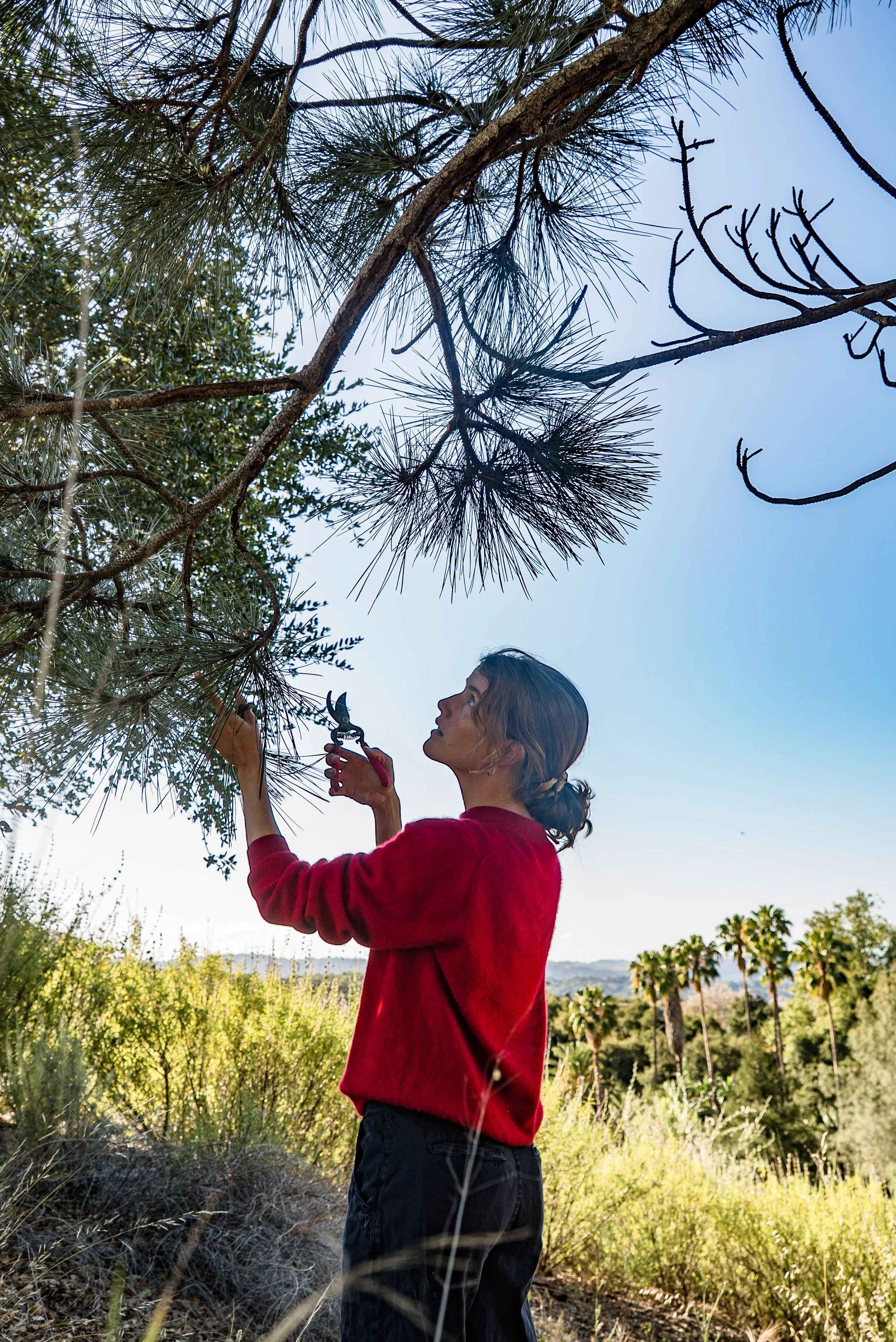
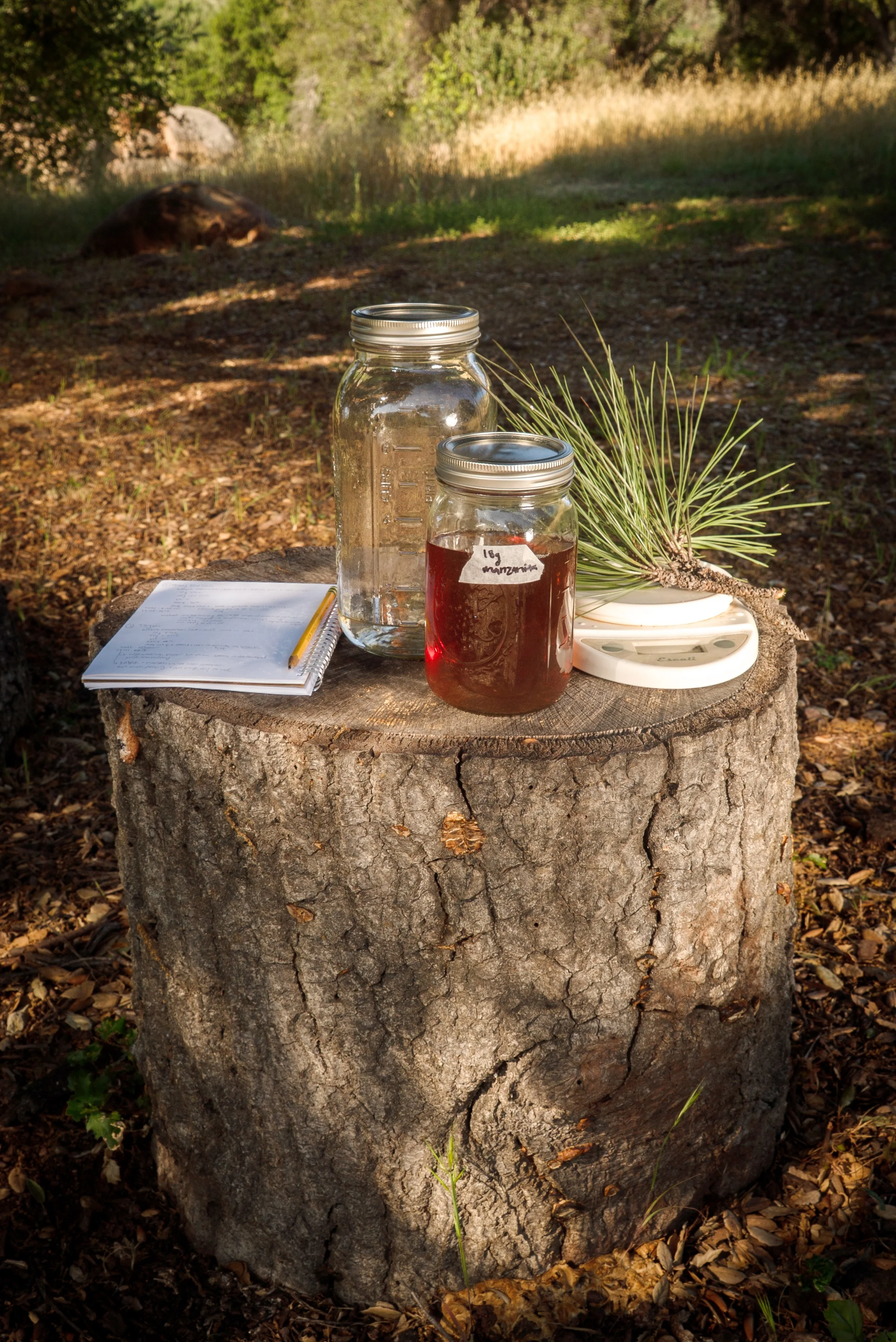
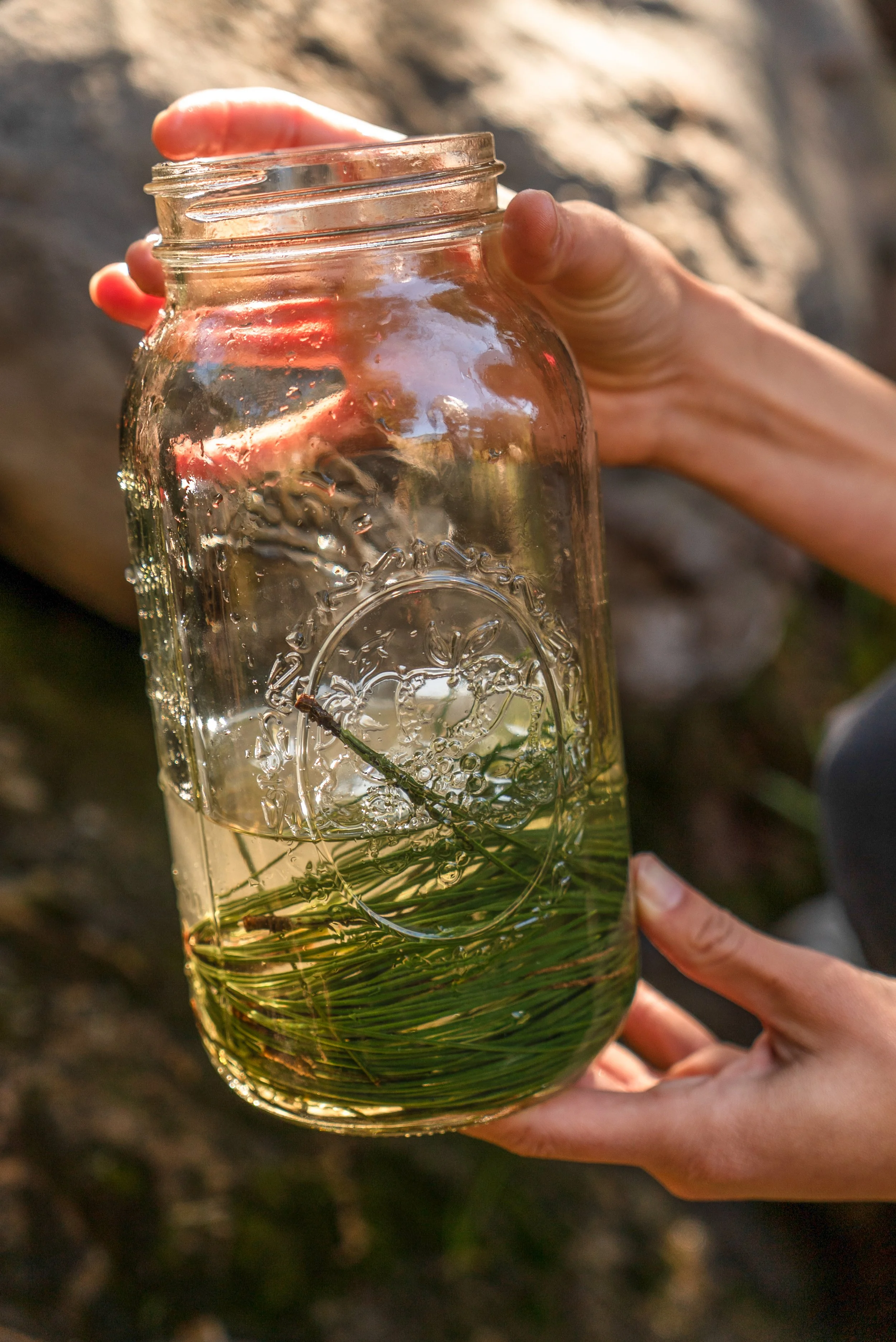
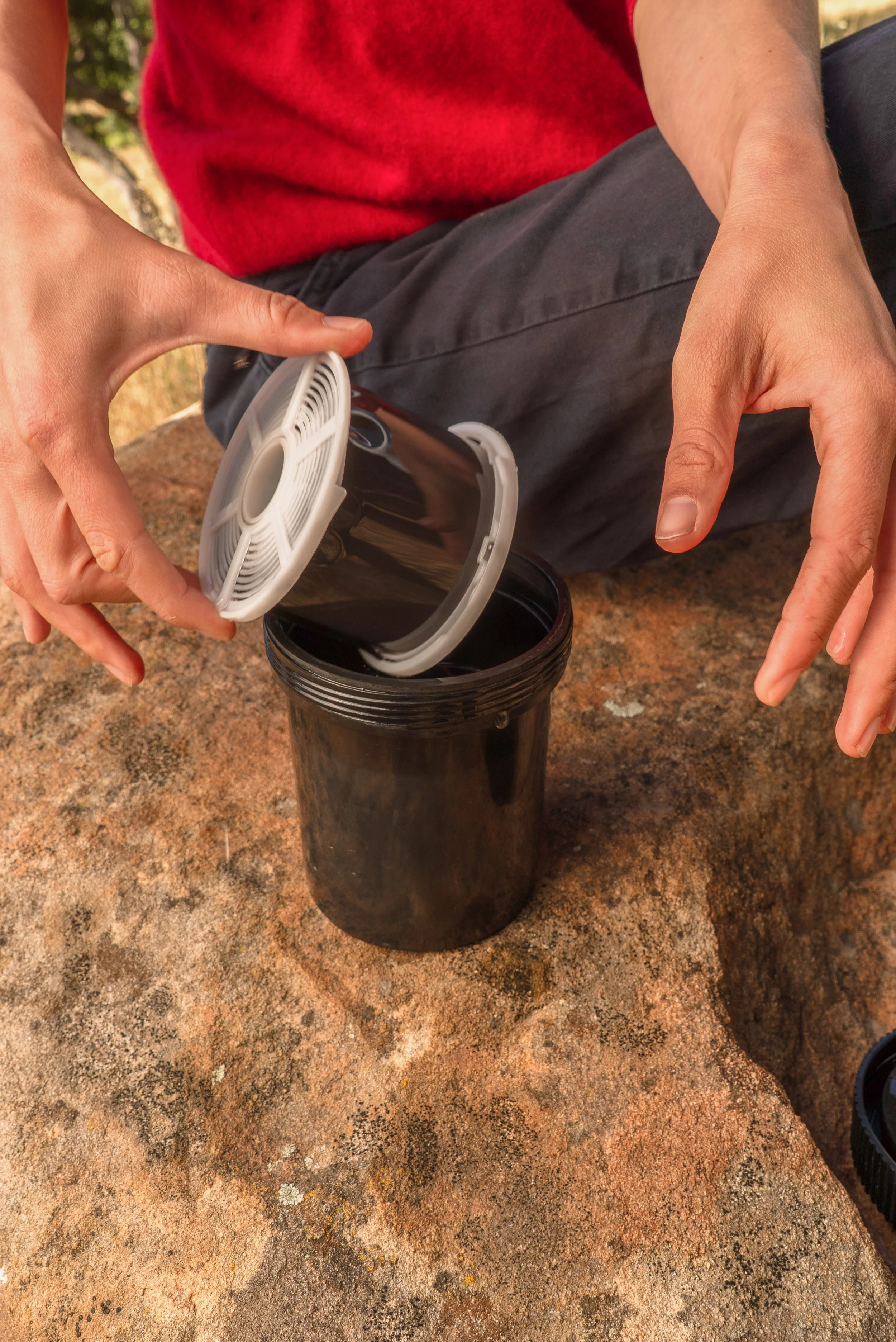
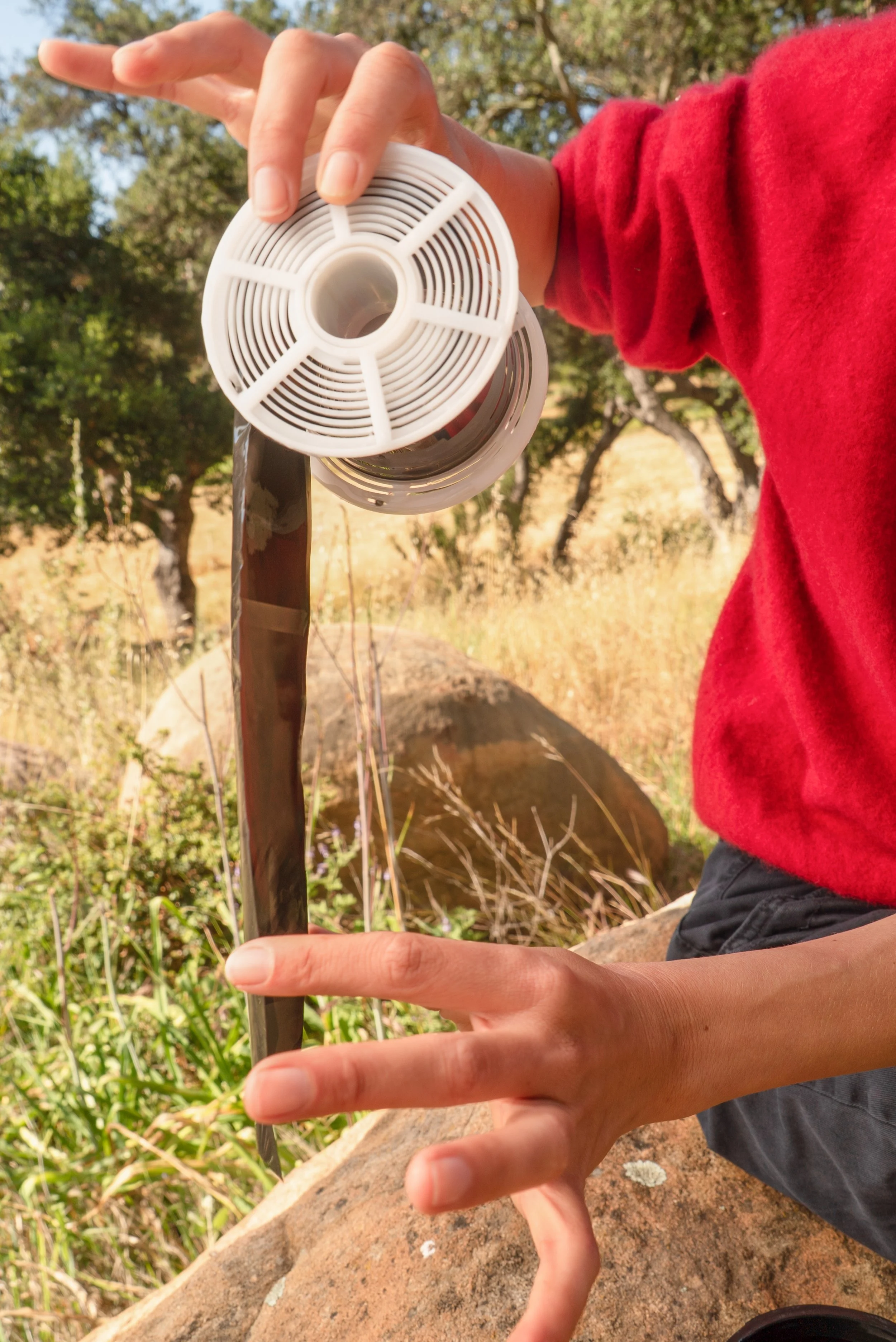
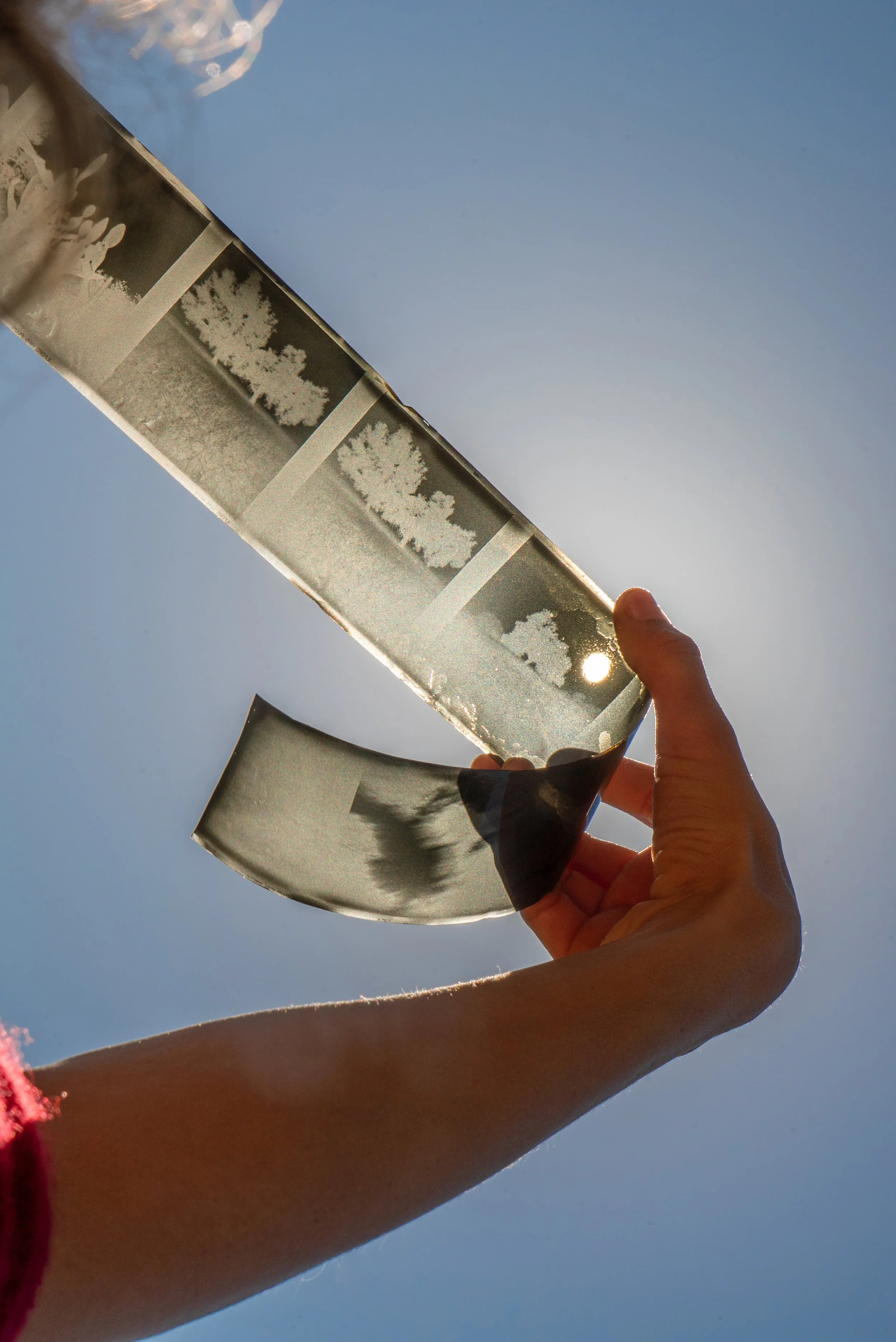
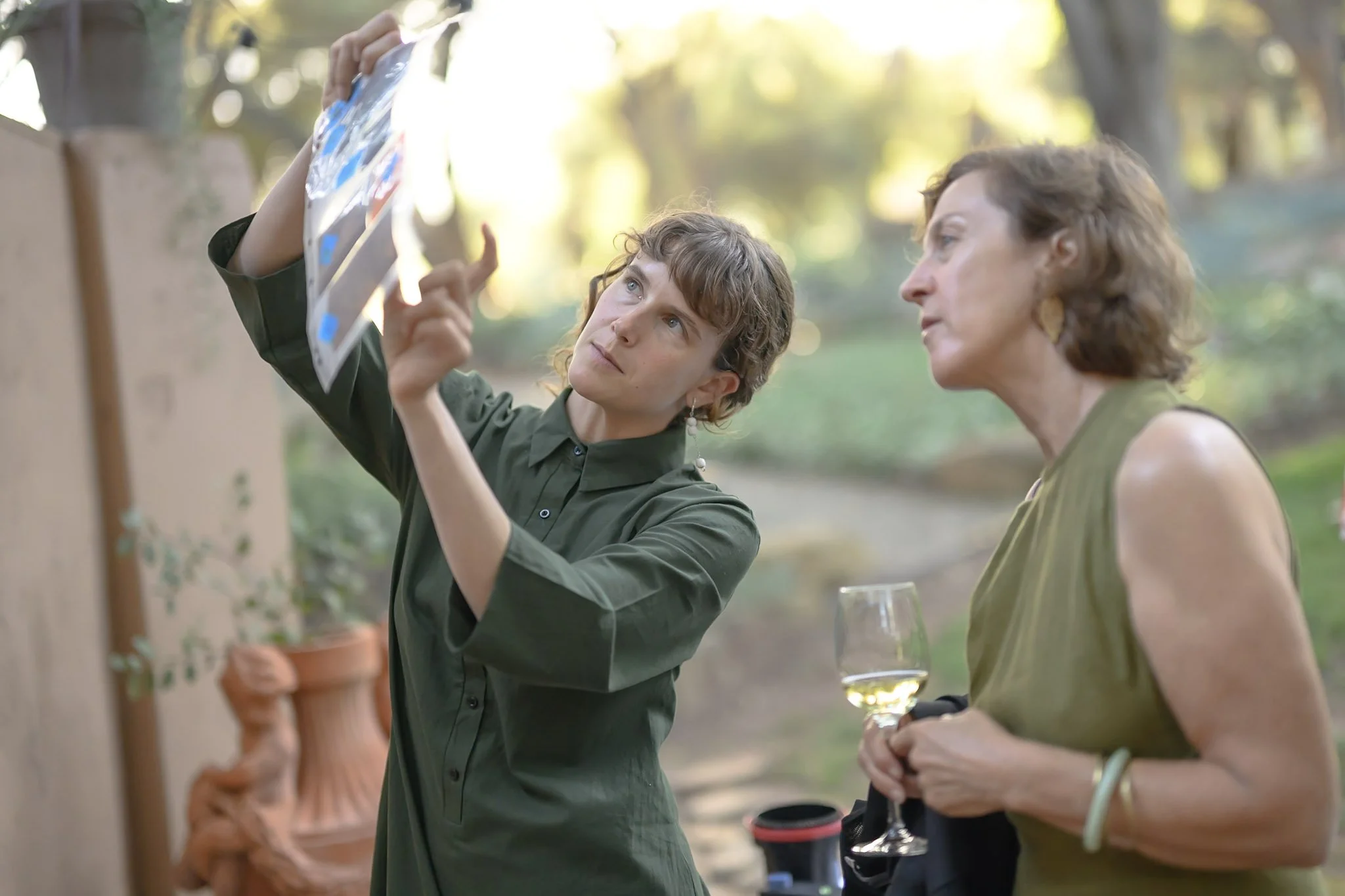
Her film-developing process involves mixing plant matter, such as pine needles, with a small amount of ethanol and creek water, then placing the mixture in the sun to extract phenolic compounds. She combines this extraction with activators such as wood ash, crushed orange peels, sodium carbonate, or coffee, slowly agitating the film in a traditional canister. Different plant compounds produce distinct colors and varied aesthetic effects.
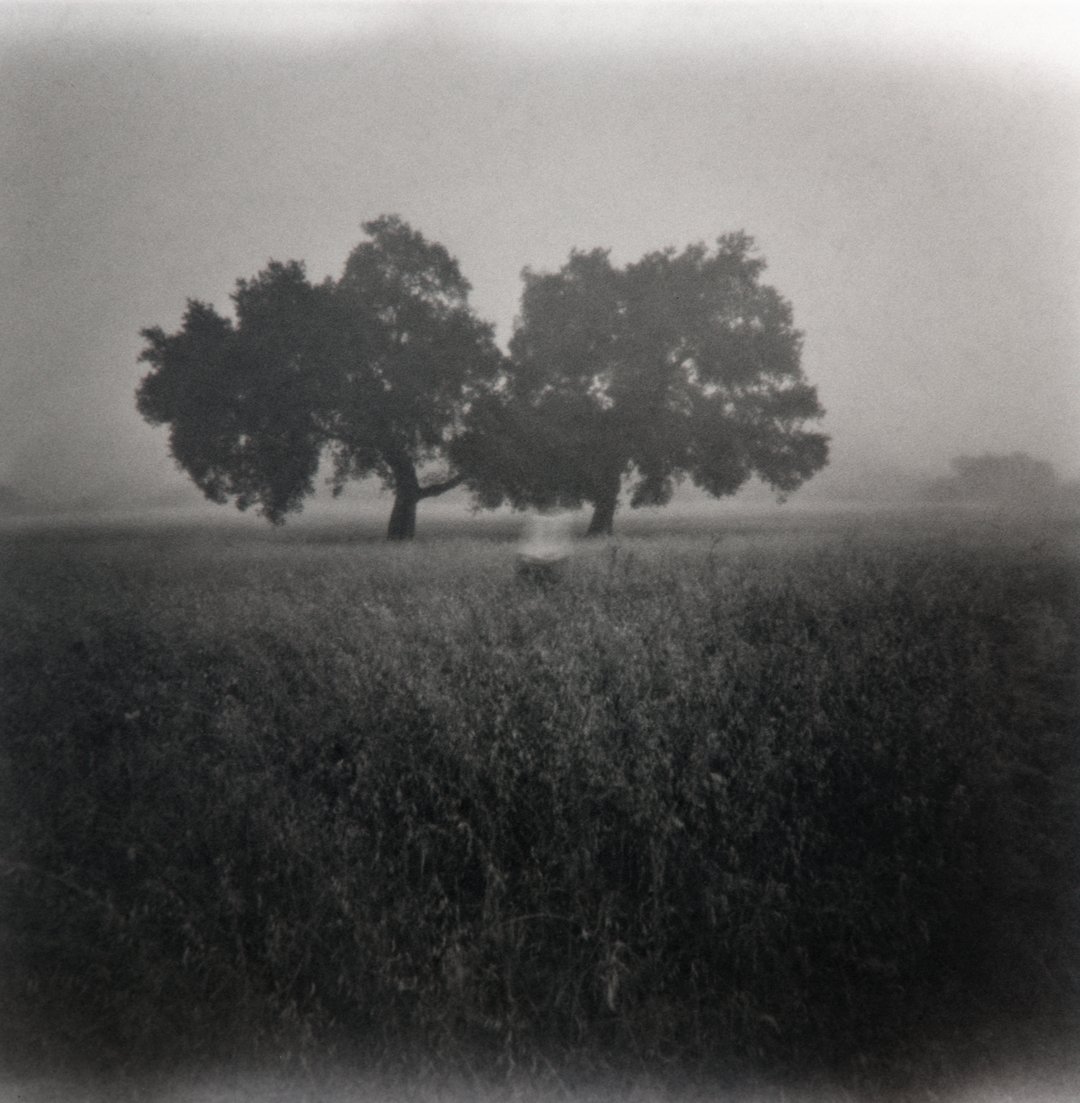
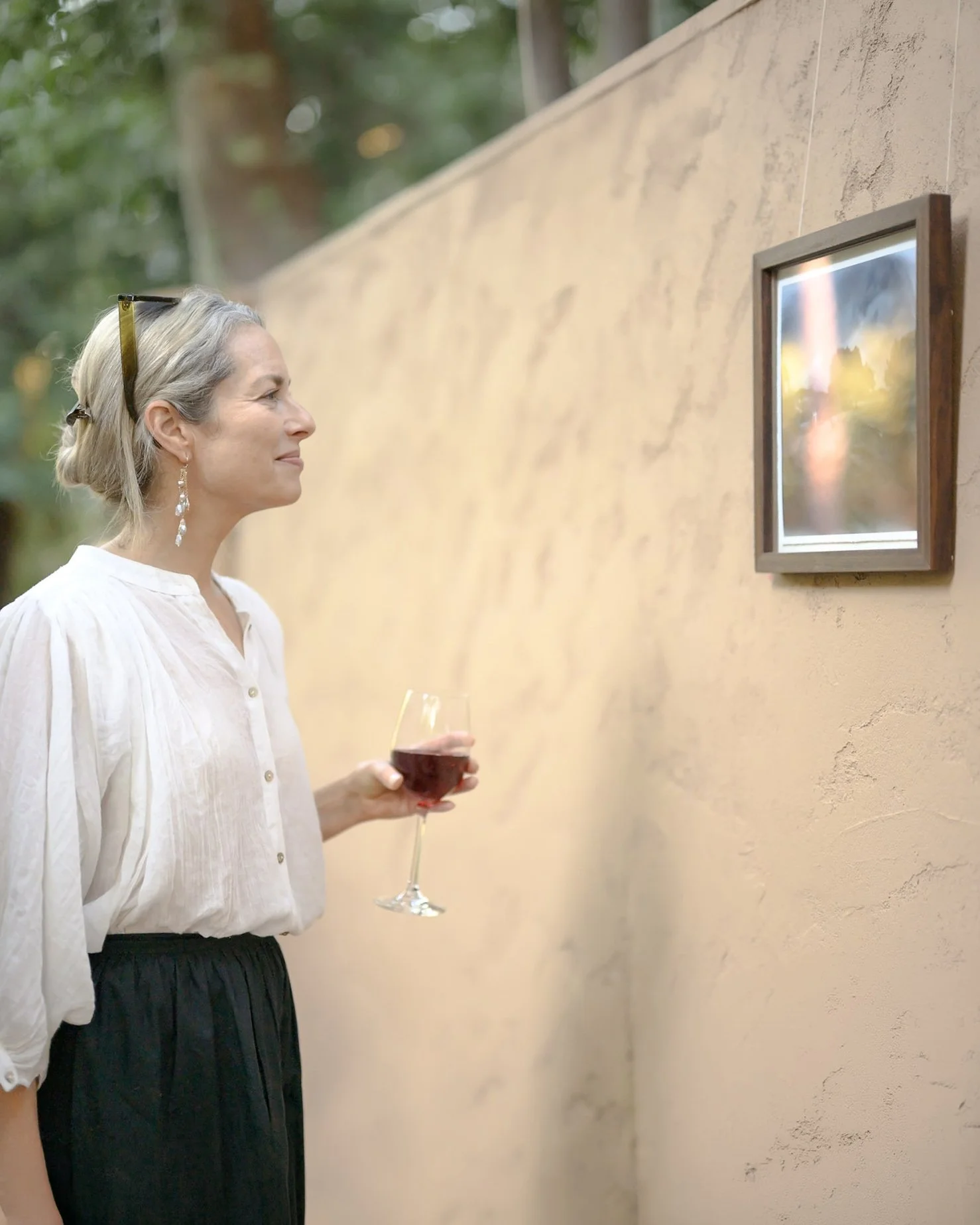
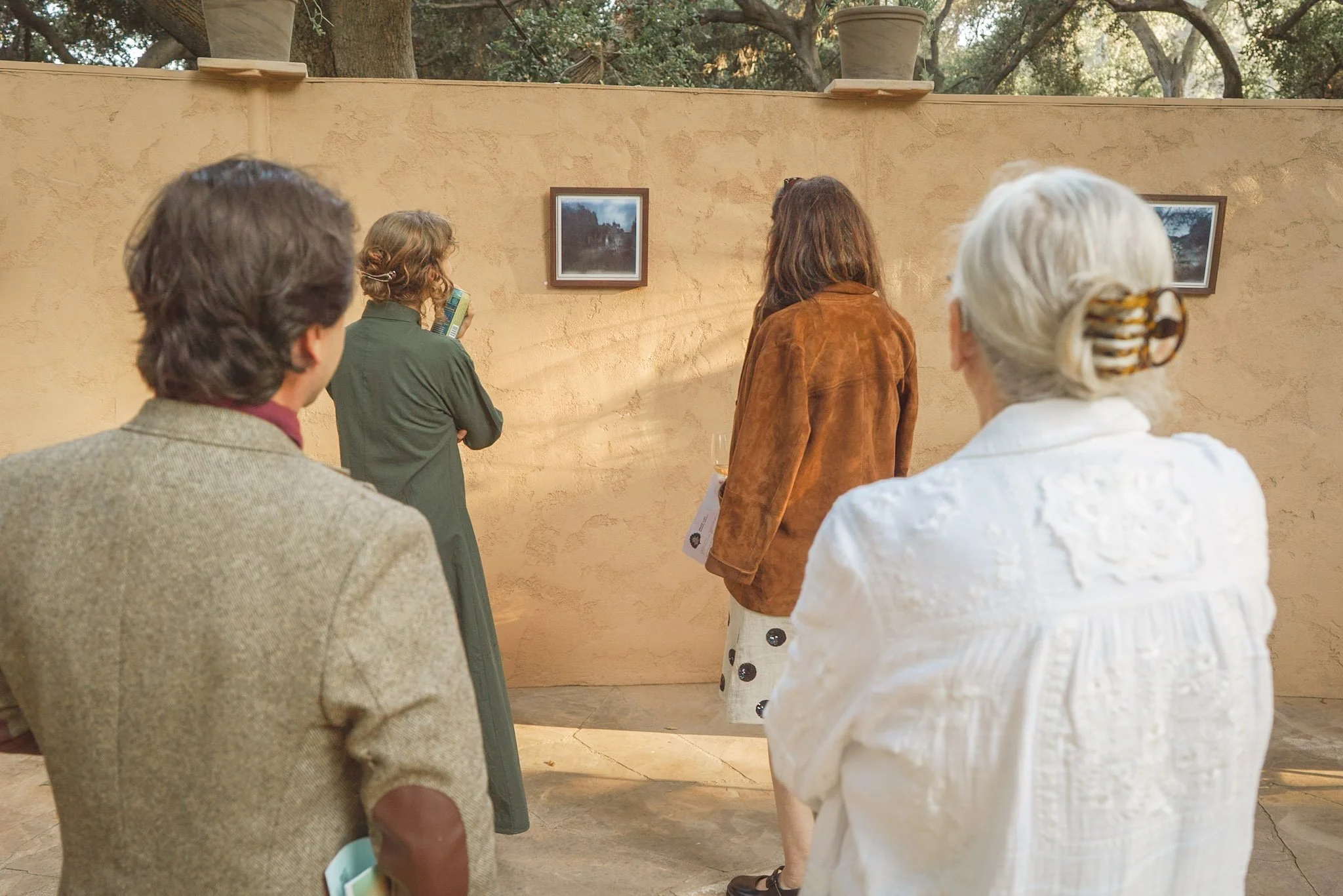
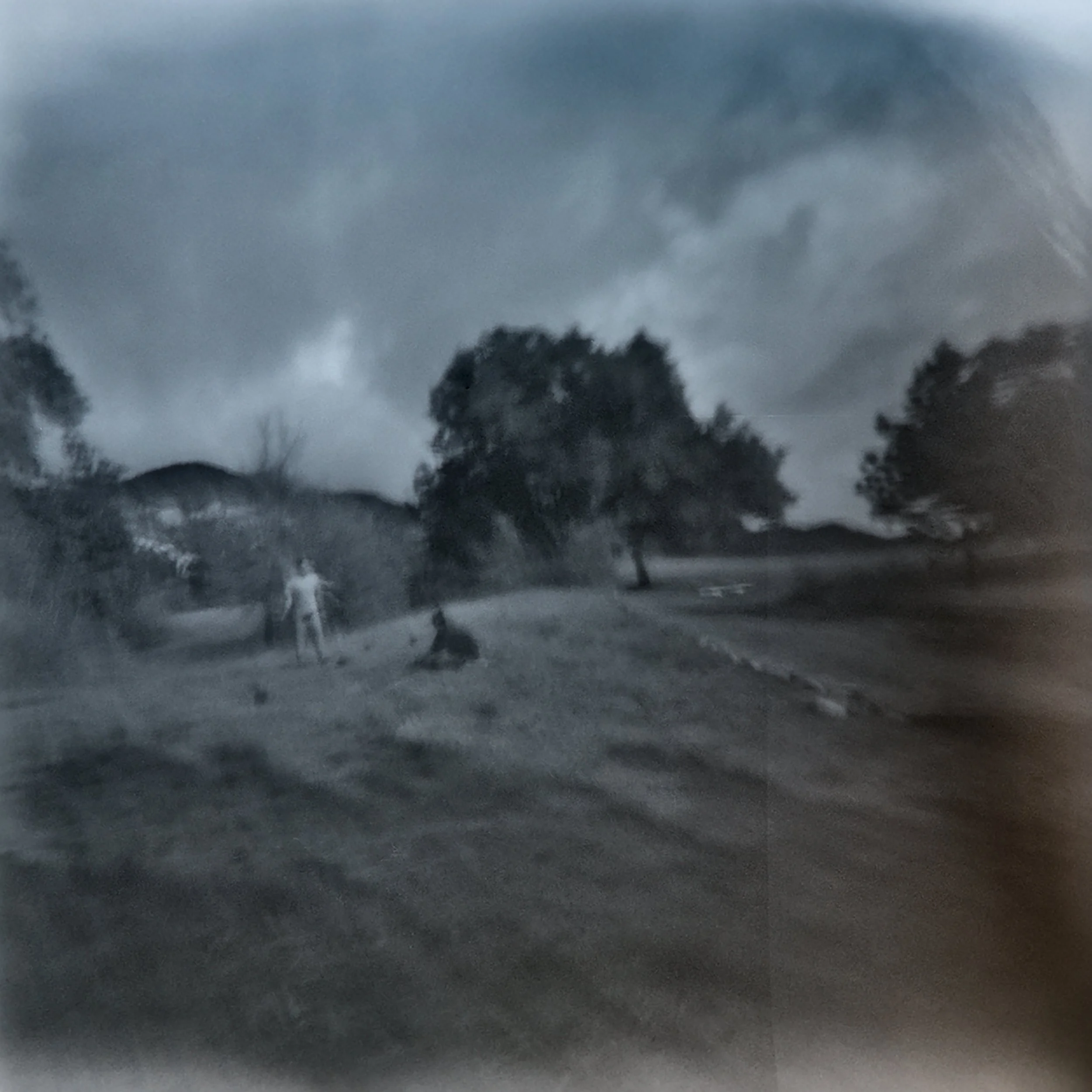
Neighbors, 2026
While compiling her final manual Reciprocity Studies is a long-term project that will extend beyond the residency, her ultimate goal was to inspire, encourage, and empower other artists to adopt sustainable practices.
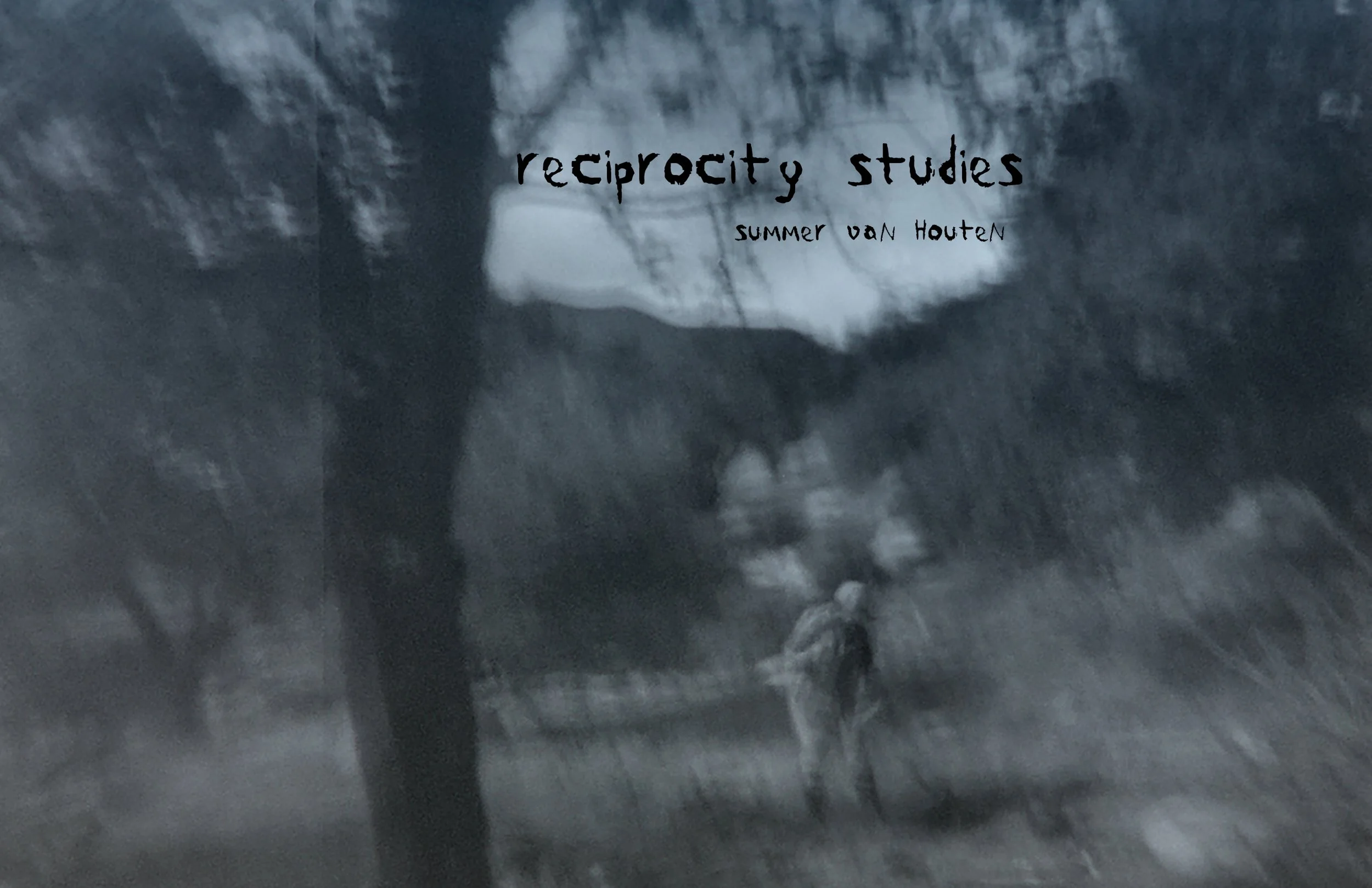
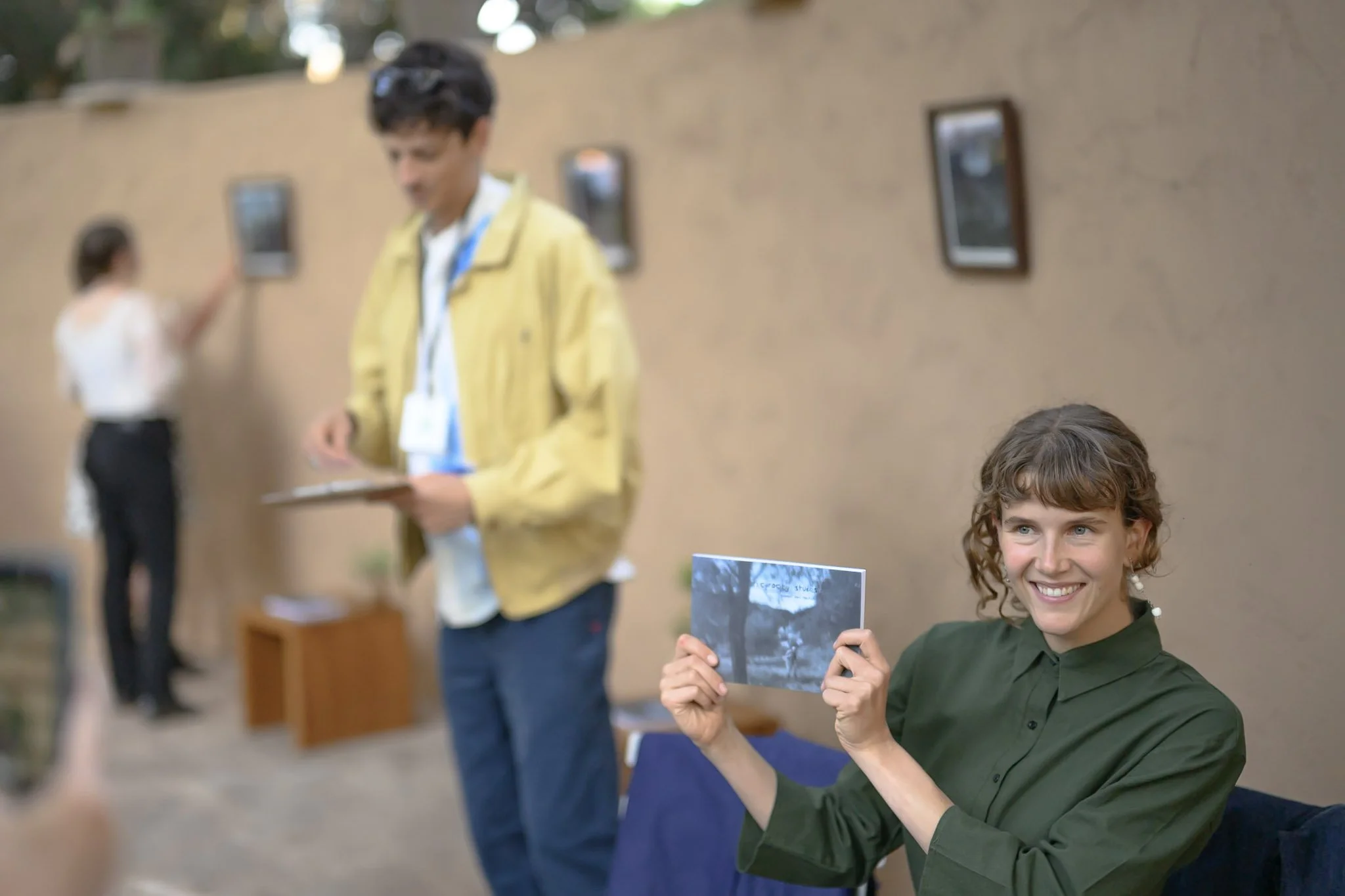
Cover of Reciprocity Studies by Summer Van Houten
Artist Statement:
“Shot on 35mm and 120mm film, Reciprocity Studies is a photographic exploration of kinship within the Taft Gardens Nature Preserve. Researched over a nine-month residency with support from the people at the heart of Taft, this work documents interconnectedness and mutual dependency among the plants and animals living in the preserve. Each photograph has been developed using chemistries built from native and non-native plants, abandoning toxic and traditional darkroom practices in favor of an experimental, collaborative approach to documentary photography. The result of these experiments is a visual archive of a lesser seen piece of Taft’s ecosystem, combining unique impressions of plants in the preserve with the artist’s ecological and photographic research.
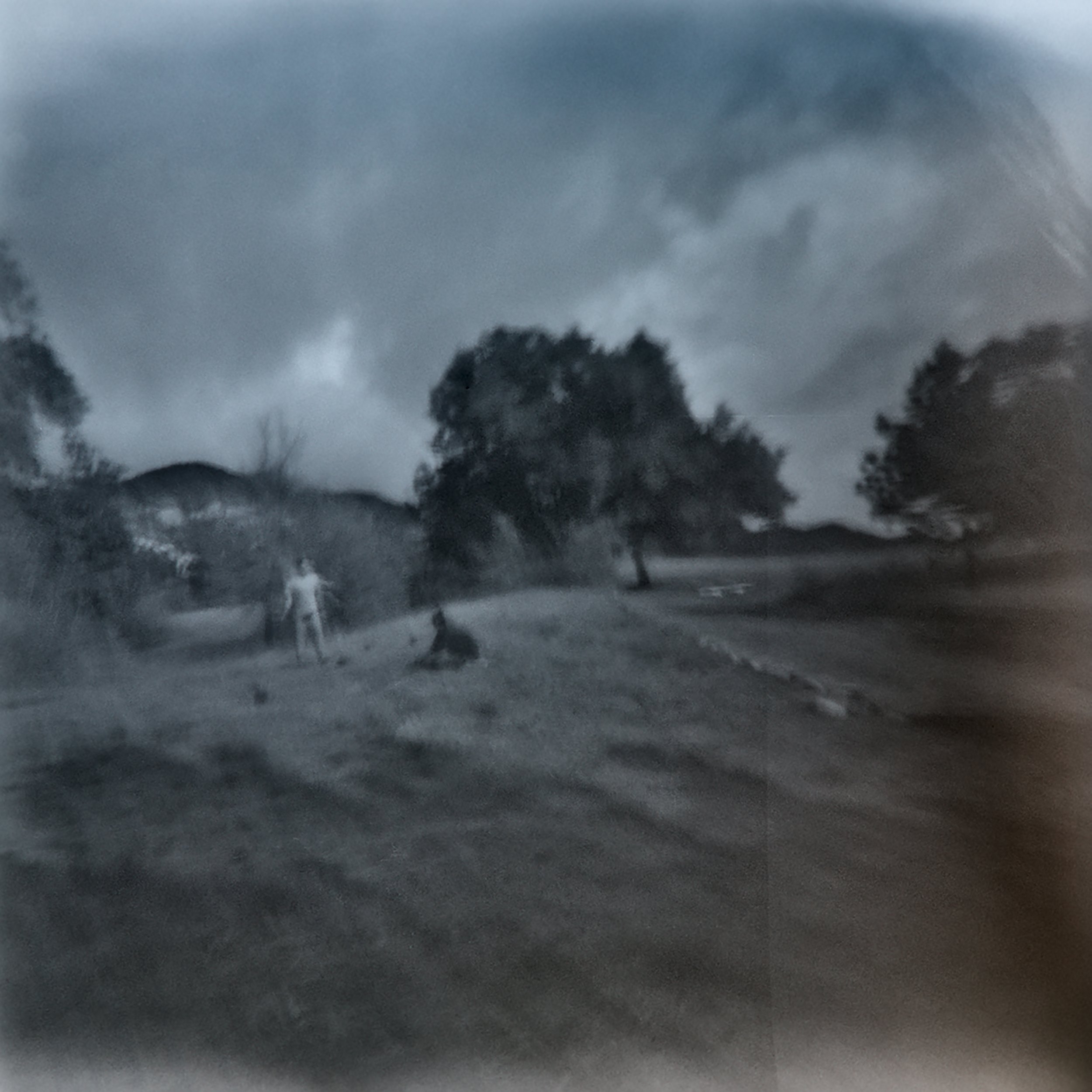
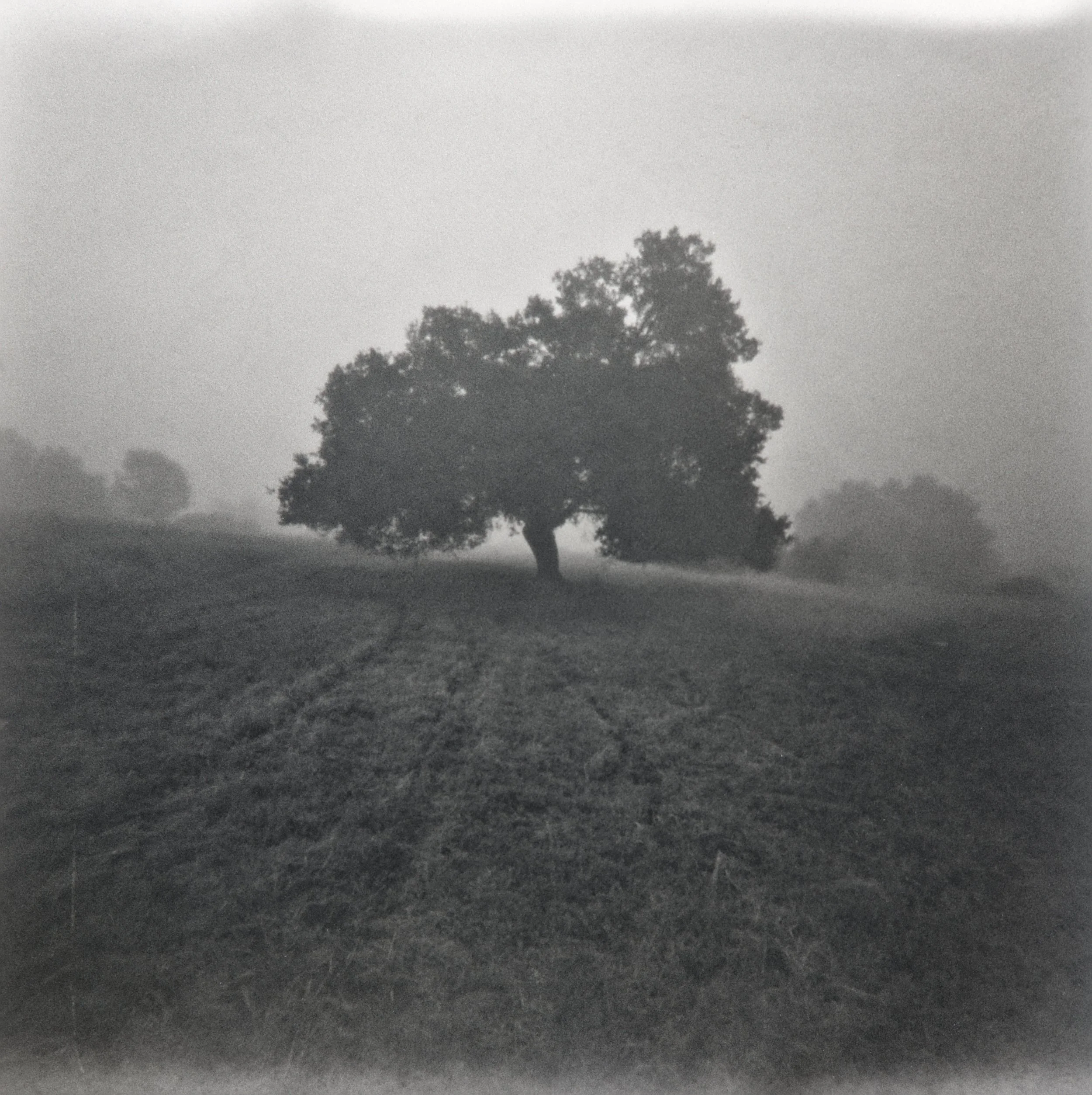
Study 1, 2026
I see image-making as an act of care and vulnerability, an opportunity to honor the details of life and a means for curiosity and growth. Traditional analog processing requires the mining of rare minerals and the disposal of hazardous chemicals back into the earth. I consider it my responsibility as an artist to minimize harm and waste wherever possible, so I work with low toxicity or entirely organic developers and repurpose materials where I can.
I gravitate toward pinhole cameras because I enjoy their lack of precision and technical simplicity. By releasing the need for control over the photographic process, I am constantly discovering new perspectives and inviting participation from the world around me. I want the environment to leave its mark on the photo, for each image to be expansive or dreamlike or blurry, for presence to be interpreted and reflected by the whims of light and time.”
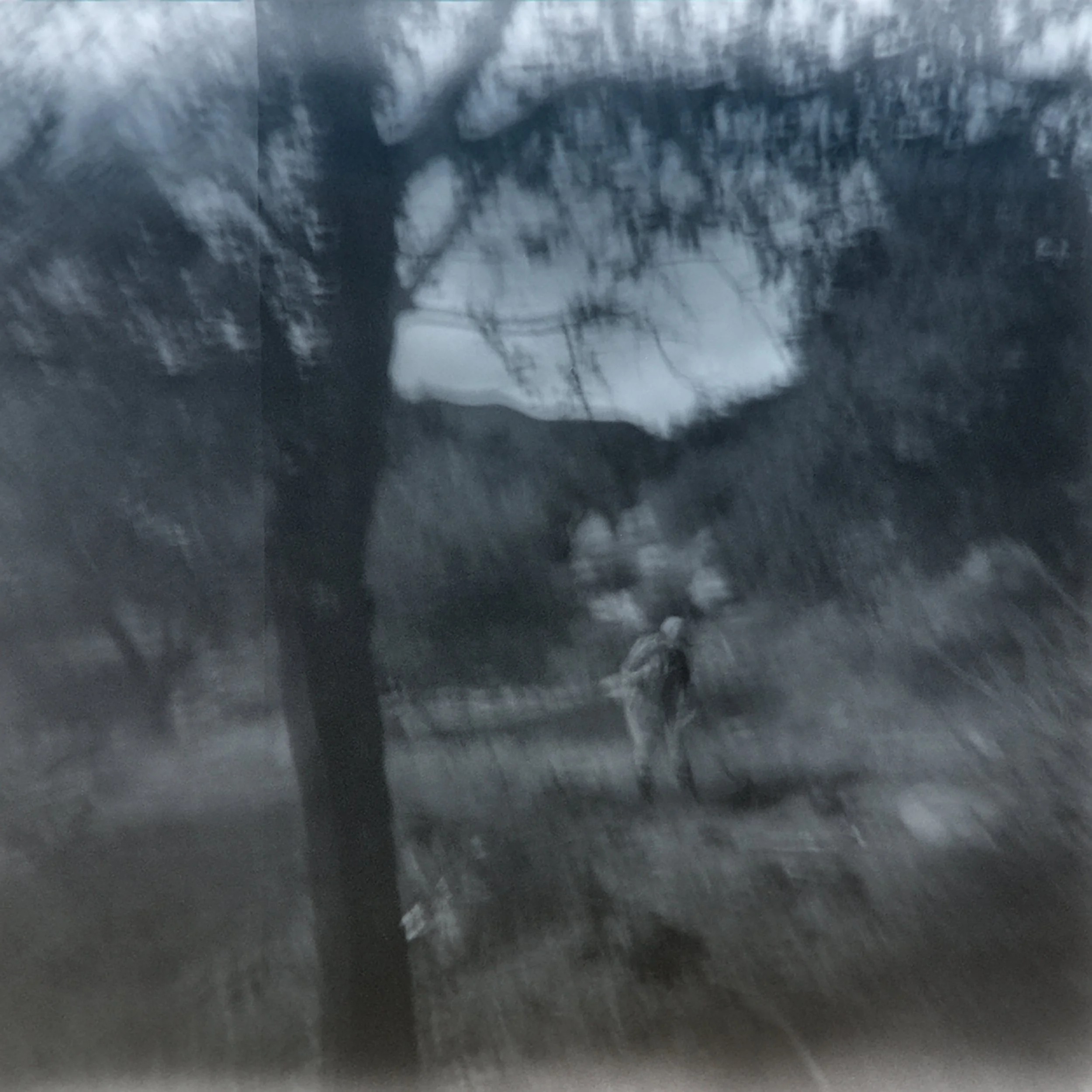
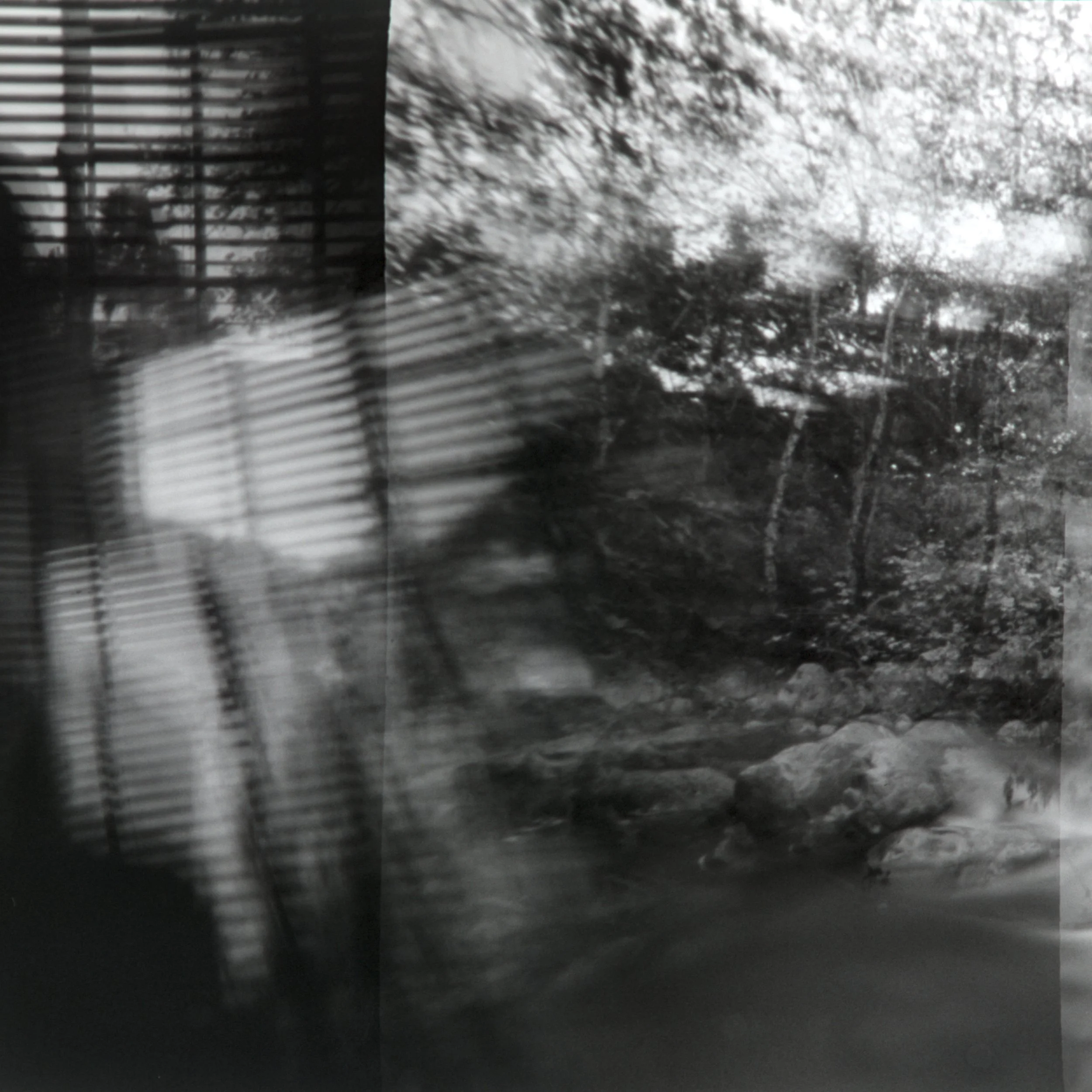
Study 3, 2026
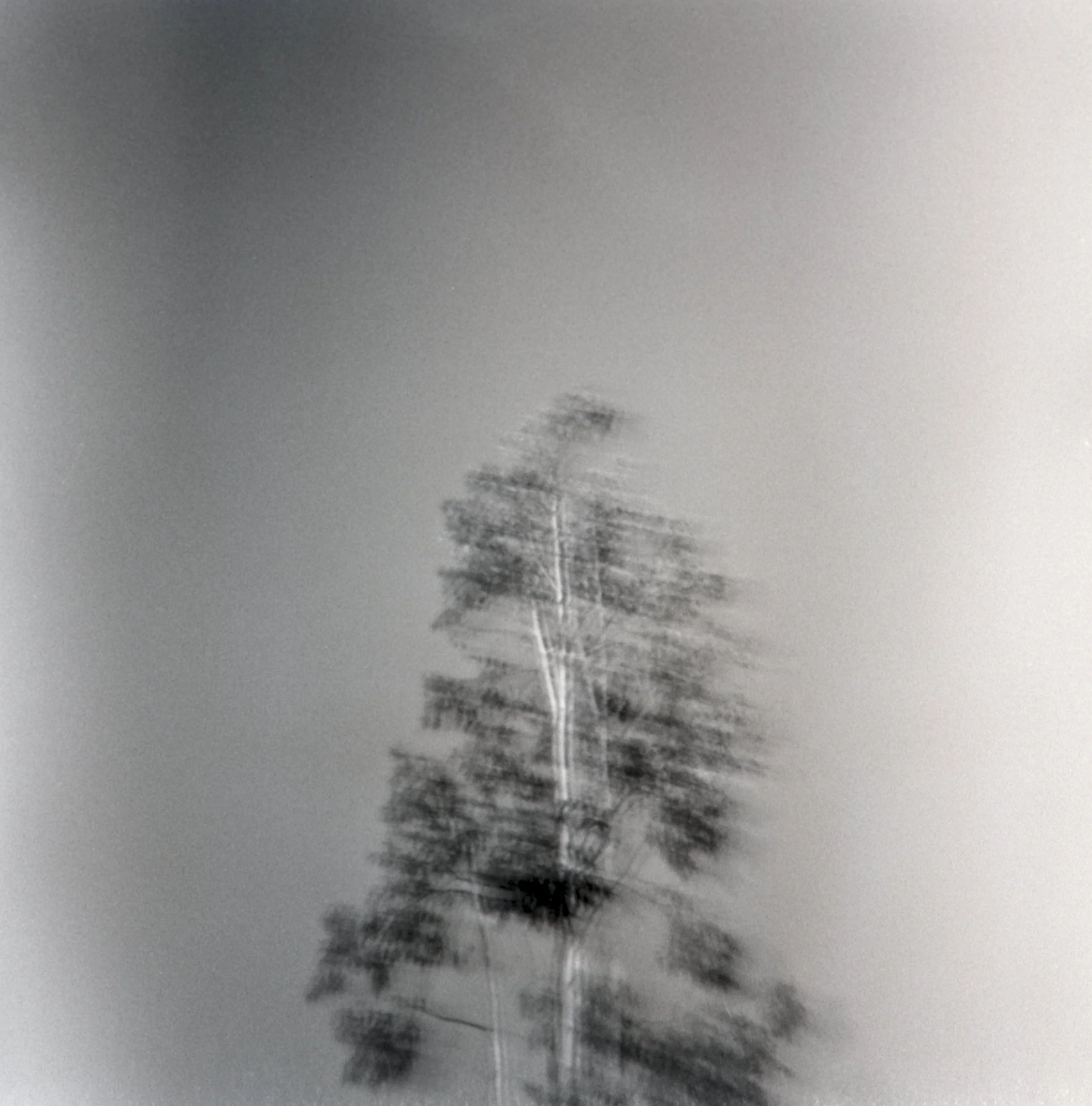
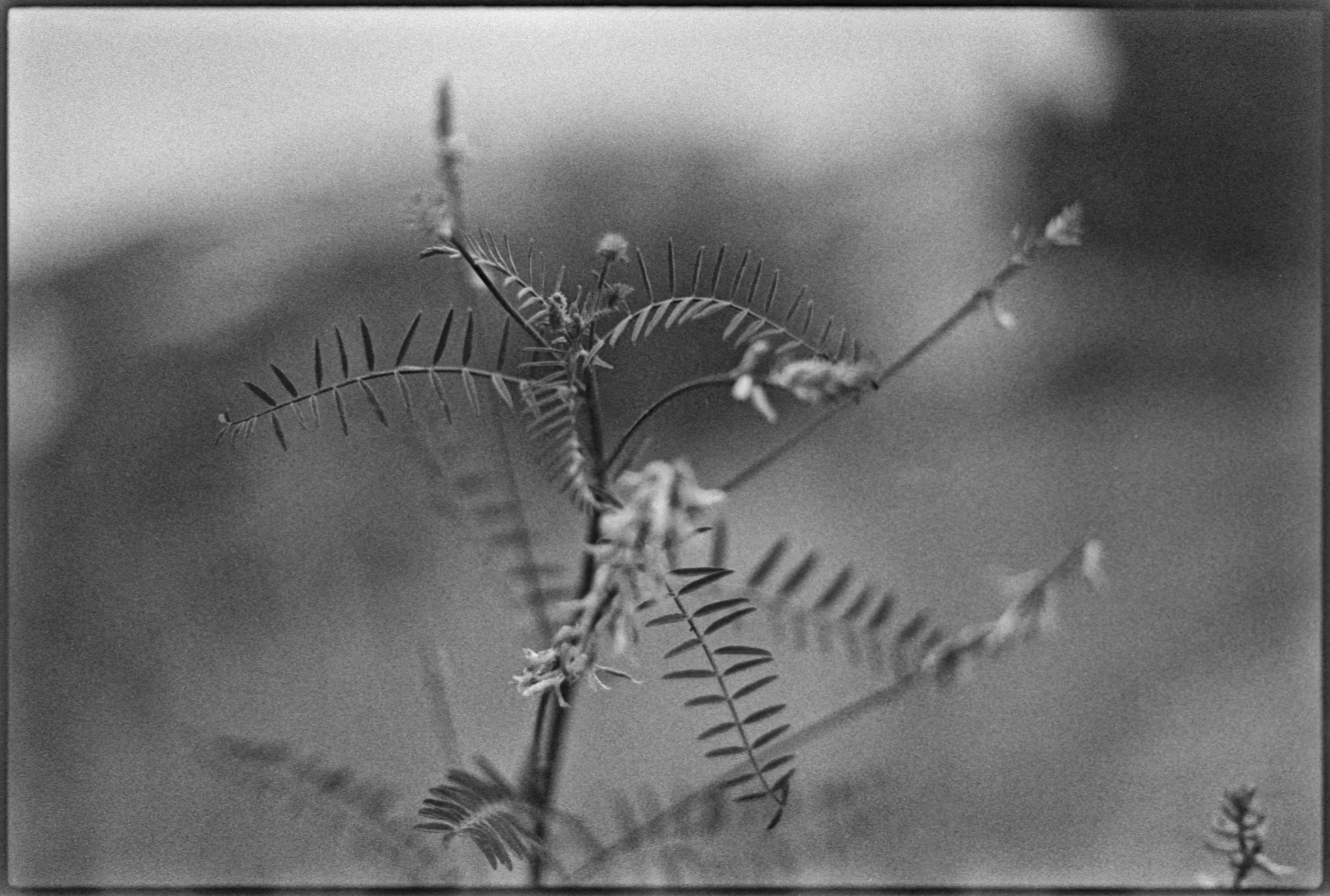
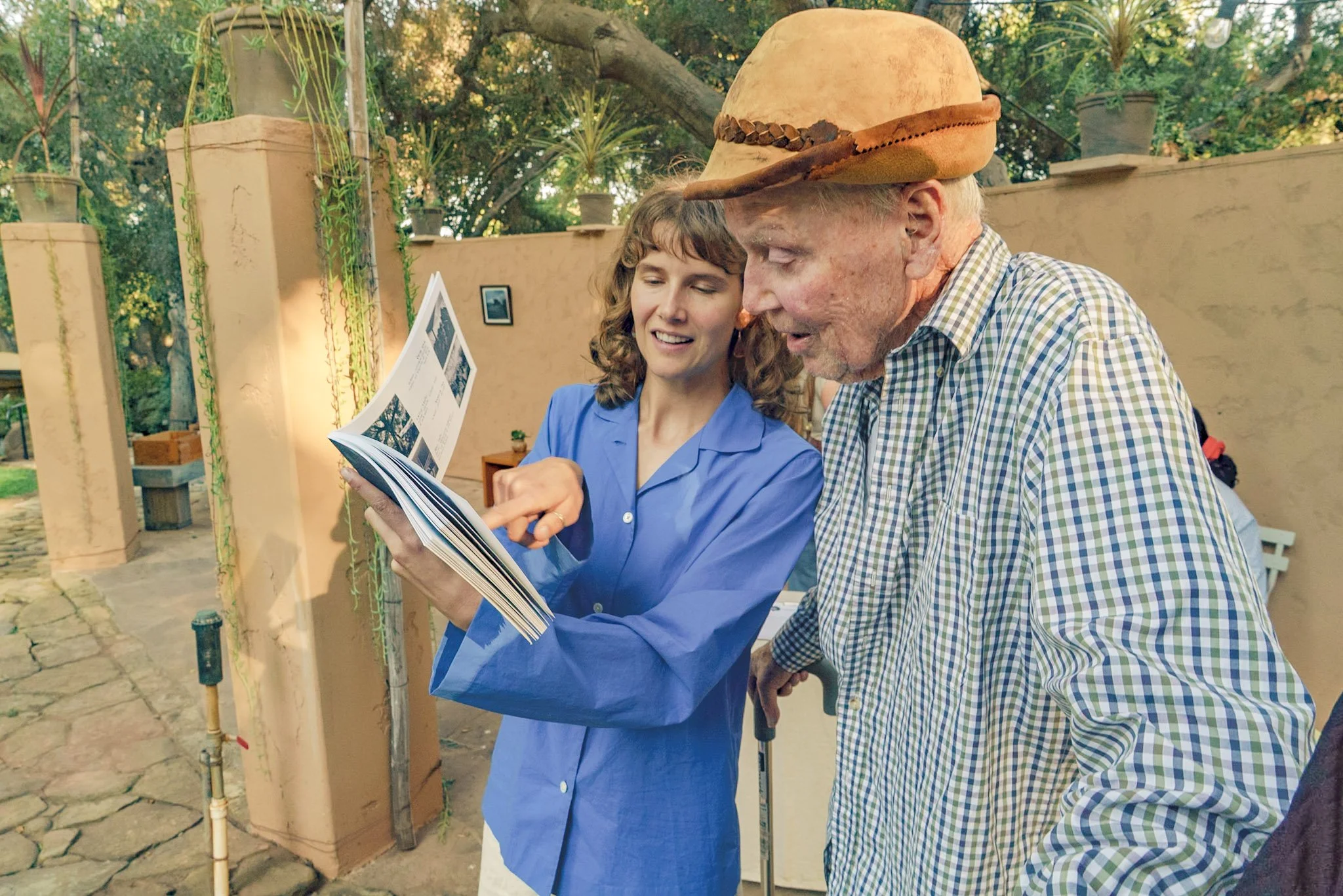
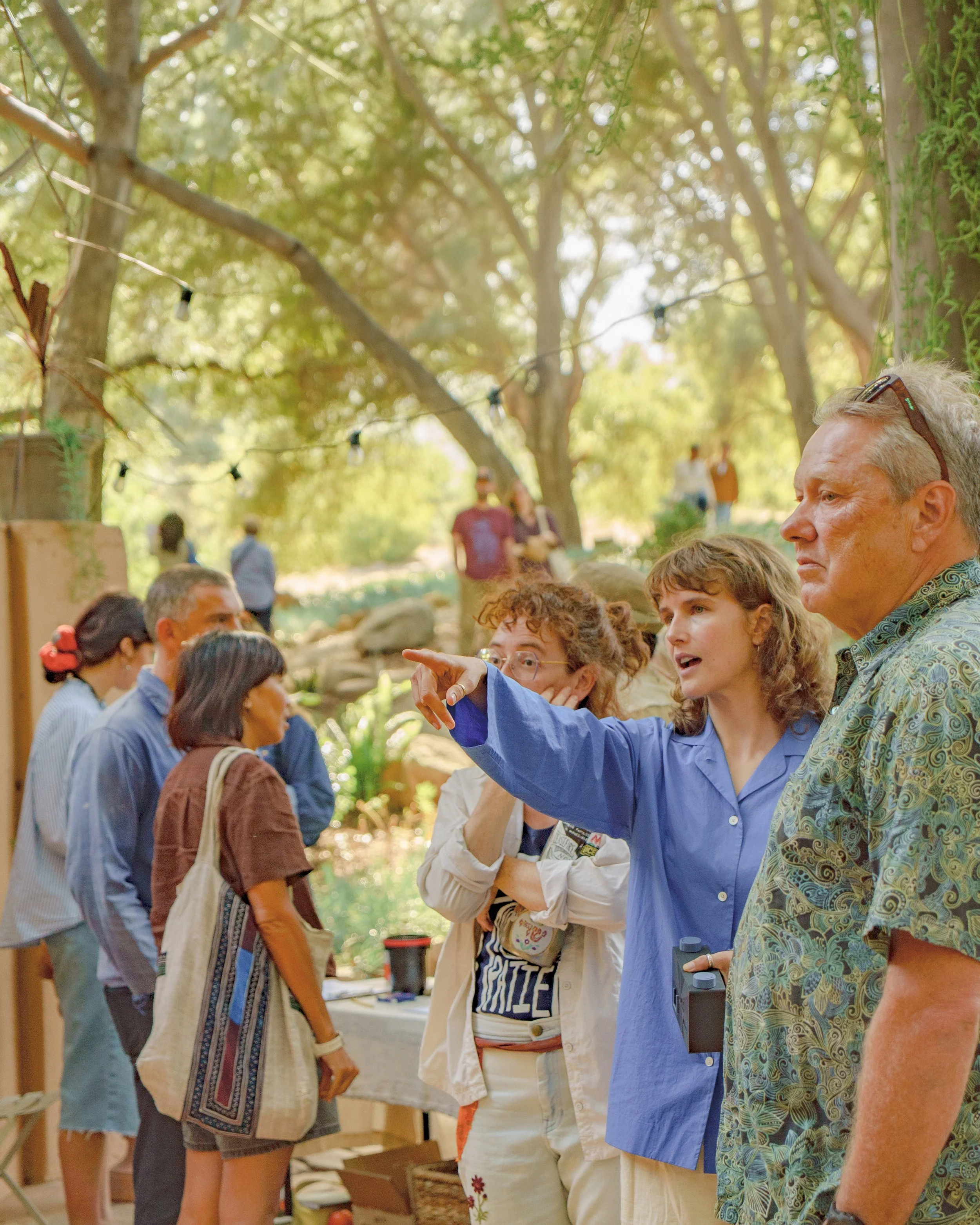
Summer and John Taft. Photo by Mikael Jorgensen